Trauma-Informed Therapy
provides a safe, supportive space to process overwhelming experiences and their impact on the body and mind. Grounded in trauma-informed care, it focuses on building safety, restoring a sense of control, and helping you feel more regulated, present, and resilient.
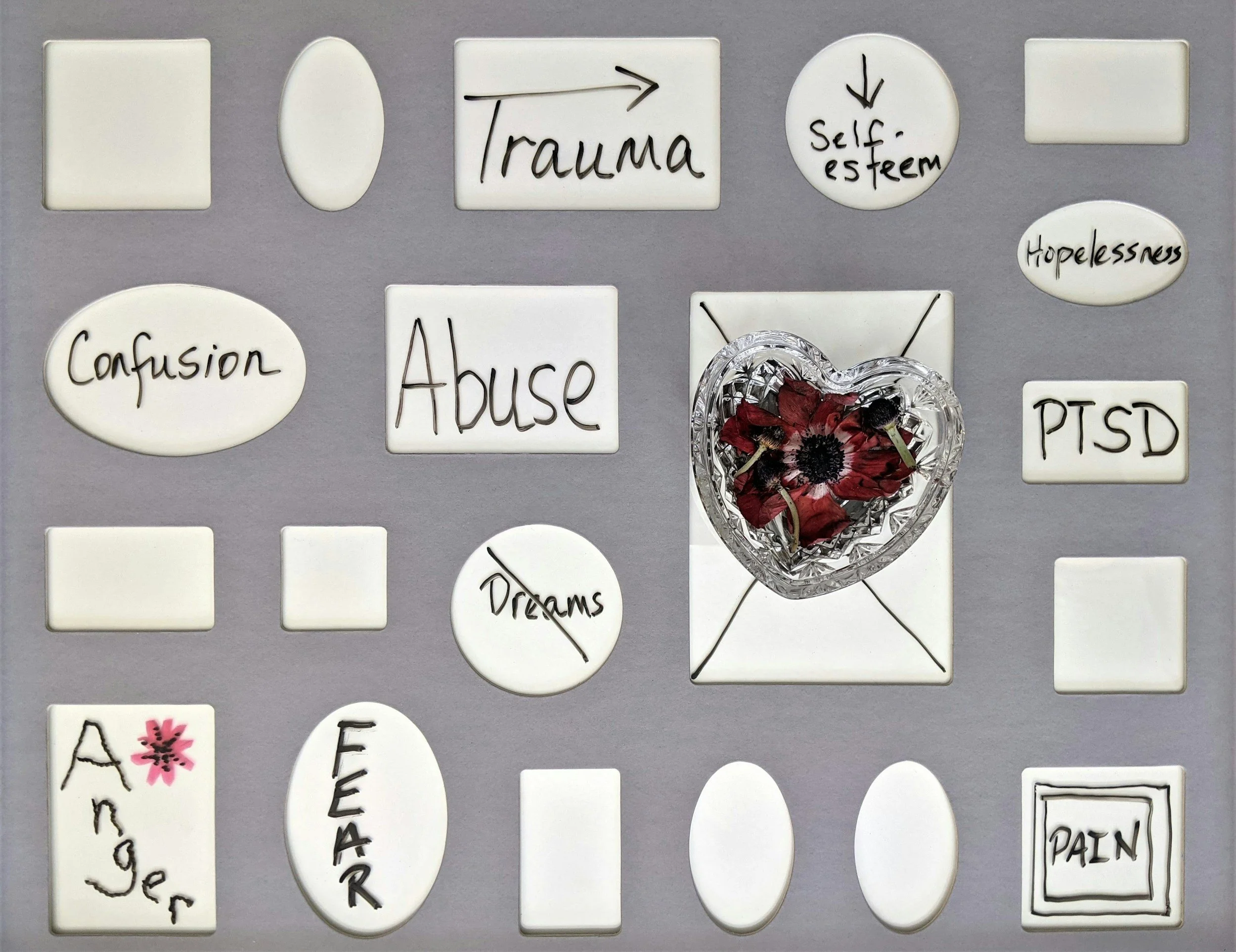
Healing from trauma is a gradual process of helping the body and mind feel safe again, building regulation and resilience through approaches grounded in trauma-informed care.
Trauma-Informed Therapy is an approach to mental health care that recognizes the widespread impact of trauma and prioritizes safety, trust, and empowerment in the healing process. Rather than focusing solely on symptoms, this method considers how past traumatic experiences may influence current thoughts, behaviors, and emotions. As a trauma-informed therapist, I work to create a supportive environment where clients feel respected, understood, and in control of their treatment, helping you build resilience and reclaim your well-being.
Healing from trauma is possible and you don’t have to do it alone.
What trauma can look like:
Trauma doesn’t always show up in obvious ways. It can affect how you think, feel, and move through daily life, sometimes long after the event has passed. Many people don’t immediately recognize their experiences as trauma, but still feel its impact.
You might notice:
Trouble sleeping — difficulty falling or staying asleep, restless nights, or feeling exhausted even after rest
Feeling on edge or shut down — a constant sense of alertness, irritability, or anxiety, or the opposite: feeling numb, disconnected, or “checked out”
Difficulty trusting others — pulling away in relationships, fearing vulnerability, or feeling unsafe even with people you care about
Intrusive thoughts or memories — unwanted thoughts, flashbacks, or emotional reactions that seem to come out of nowhere
You may also experience things like overthinking, people-pleasing, burnout, or a strong inner critic without fully understanding why.
These responses are not signs that something is wrong with you, they’re often your mind and body’s way of trying to protect you after overwhelming experiences. With the right support, these patterns can begin to shift, and a greater sense of ease and stability is possible.

What sessions feel like
Starting therapy can feel uncertain, so it helps to know what to expect. Our work together is collaborative and guided by you, not something being done to you. There’s no pressure to share everything at once; we move at a pace that feels comfortable and manageable.Sessions are designed to support you in feeling grounded and steady, with practical tools to help regulate emotions as they arise. And at any point, you can pause, slow down, or shift the focus. Your comfort and sense of control are always a priority.What trauma- informed care means here:
Feel safe, not overwhelmed
Therapy should feel steady and supportive, not intense or unpredictable. We create a space where you can exhale, knowing you won’t be pushed beyond what feels manageable.Stay in control of your story
You decide what to share and when. There’s no pressure to revisit painful experiences before you’re ready: your boundaries are respected at every step.Heal at a pace that works for you
There’s no rush to “get through” your trauma. We move in a way that feels sustainable, focusing first on helping you feel more grounded, stable, and resourced.Process without reliving
You don’t have to re-experience everything to heal. Together, we’ll use approaches that support healing while keeping you anchored in the present and supported throughout.

FAQs about trauma-informed therapy
-
No. In fact, we often don’t start there. Early sessions focus on helping you feel comfortable, building trust, and developing tools to manage stress or overwhelm. You’ll never be pushed to share more than you’re ready for, when and if you choose to talk about difficult experiences, we’ll approach it together in a way that feels safe and manageable.
-
That’s completely okay. Many people have gaps in their memory, especially around overwhelming or painful experiences. Therapy isn’t about having a perfect or complete narrative, it’s about how your experiences are affecting you now. We can work with what you do remember, as well as present-day thoughts, emotions, and patterns.
-
It shouldn’t be. A trauma-informed approach is designed specifically to avoid overwhelm. We go at a pace that feels steady and supportive, with regular check-ins and tools to help you stay grounded. The goal is not to relive the past, but to help you process experiences in a way that feels manageable and empowering.
Getting Started
Reaching out for therapy can feel like a big step, so I aim to make the process simple, clear, and low-pressure.
Free consultation
I offer a brief, no-cost 15 minute consultation where you can ask questions, share what’s bringing you in, and get a feel for whether this approach is right for you. There’s no obligation, just a chance to connect and explore your options.
Easy ways to connect
You can reach out in whatever way feels most comfortable, through a simple contact form or by scheduling directly using the booking link below. You don’t need to have everything figured out before you reach out; a few words about what you’re looking for is enough to get started.
What happens next
After you contact me, you can expect a response within 24-48 hours. We’ll either schedule your consultation or your first session, depending on your preference. I’ll also share any details you need ahead of time so you know exactly what to expect, no guesswork.