
Trauma Therapist in Ann Arbor, Michigan, Ohio and Florida
Helping you heal the roots of trauma, anxiety, burnout, and grief through compassionate, evidence-based therapy therapy.
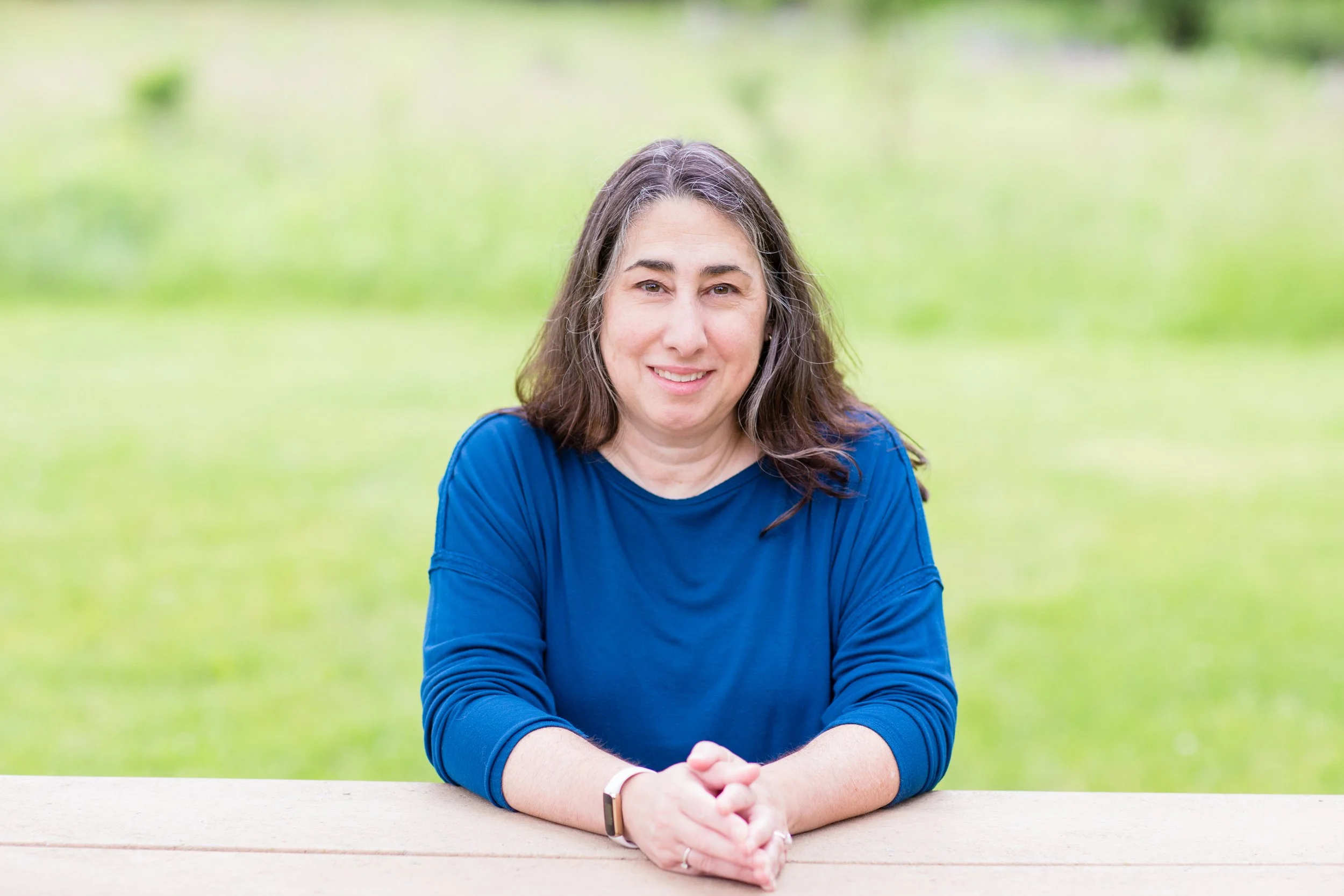
Hi, I’m Julie Artinian Callaway. I’m a licensed therapist who works with adults navigating anxiety, trauma, burnout, and overwhelm, often while carrying a lot of responsibility in their daily lives.
My approach is relational, compassionate, and depth-oriented, with an emphasis on slowing things down enough to understand what’s really happening beneath the surface.
I aim to offer a grounded, supportive space where you can feel genuinely met, explore patterns with curiosity rather than judgment, and begin to create meaningful, lasting change in how you relate to yourself and your experiences.
Do you seem successful on the outside, yet feel overwhelmed, anxious, or exhausted underneath?
Have you done a lot of work on yourself, but still find that old wounds continue to affect your daily life?
Have you spent months or even years in therapy, yet still feel stuck in the same patterns?
Are you tired of talking about painful experiences without feeling like true healing is happening?
Have you left past therapy feeling discouraged, misunderstood, or no closer to the relief you were hoping for?
Are you ready to heal the root causes of your distress, not just cope with the symptoms?
You’re in the right place.
Many of my clients are thoughtful, self-reflective individuals and professionals who are seeking more than quick fixes—they are interested in depth, understanding patterns at their core, and creating meaningful, lasting change in how they relate to themselves and their experiences.
This work deeply supports individuals in high-demand caregiving fields, including professionals in education, first response, mental and physical health, the military, and related roles who frequently carry the weight of others' experiences while navigating their own.
Specializing in:
Anxiety
Anxiety can show up as generalized worry, panic attacks, social anxiety, or phobias. I help clients manage symptoms, challenge unhelpful thought patterns, and build a greater sense of calm and resilience.
Trauma
Trauma shows up differently for everyone: in how you sleep, how you relate to others, how you feel in your own body. I specialize in helping adults process and heal from past traumatic experiences using trauma-informed, evidence-based approaches.
Grief and Loss
Grief can come from losing a loved one, a pregnancy, a pet, or through other losses like divorce, health, or job changes. I provide compassionate support as you honor your unique grief journey and find your way toward healing.
In particular:
Mindfulness
Mindfulness is the practice of paying attention to the present moment, on purpose and without judgment. I incorporate mindfulness into our work together to help you observe thoughts and emotions with curiosity rather than react to them — building greater emotional regulation, self-awareness, and a deeper sense of calm in everyday life.
EMDR
EMDR (Eye Movement Desensitization and Reprocessing) is an evidence-based therapy that helps the brain reprocess painful memories so they no longer feel overwhelming. It's one of the most effective treatments available for trauma, PTSD, and anxiety.
Somatic EMDR
EMDR and Somatic EMDR work together to help you heal not just in your mind but throughout your whole nervous system. Where traditional talk therapy focuses on thoughts and insight, these approaches also work with what the body is holding: the tension, the guardedness, the places where past experiences still live. Together they help restore a sense of safety, calm, and connection from the inside out.
My Approach: Fully Human, Fully Present
Therapy is one of the few places left where you can be truly seen, not summarized, not analyzed by an algorithm, not filtered through technology. That matters deeply to me.
I don't use AI in my clinical work. No AI transcription during sessions, no AI-generated progress notes, no chatbot check-ins between appointments, no algorithms suggesting what we should talk about next. What happens between us stays between us, held by two humans, in real time, with full presence.
This isn't just a policy, it's part of how I understand healing. Especially in trauma work, safety and connection are built through consistent, attuned human presence. That's something no tool can replicate, and it's not something I'm willing to outsource, even in small ways.
When you work with me, you can trust that your story is being heard by a person, held by a person, and responded to by a person, every single time.
Ready to get started?
Call or email me at:
517-442-2777
julieartinian@hushmail.com


“You can’t stop the waves, but you can learn to surf.”
Jon Kabat-Zinn